Why Great Kitchens Don't Guess
Great kitchens don't eliminate uncertainty. They manage it. The best decisions aren't built on certainty but on confidence, probabilities, and continuous learning that gets smarter every single day.

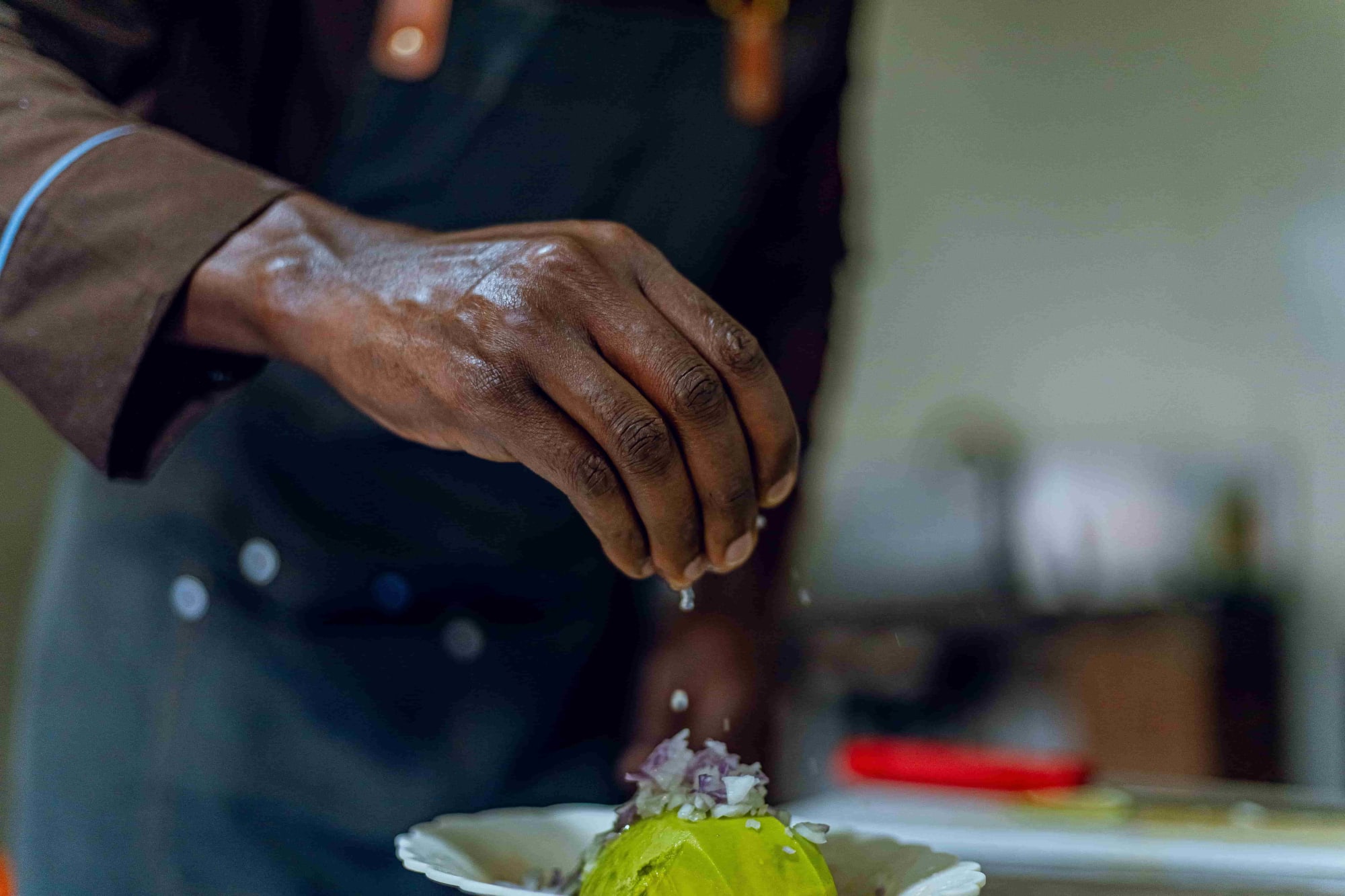
Every chef has been asked the same question.
"How much should we prepare tomorrow?"
It sounds simple.
In reality, it's one of the hardest questions in a restaurant.
Tomorrow hasn't happened yet.
Customers haven't arrived.
The weather forecast could change.
A nearby concert might fill the dining room.
A football match could keep people at home.
No one knows exactly what tomorrow will bring.
The difference is that great kitchens don't pretend they do.
They don't guess.
They make informed decisions.
There is no perfect forecast
Many people imagine forecasting as predicting the future.
It isn't.
Forecasting is about reducing uncertainty.
Think about a weather forecast.
When the forecast says there's an 80% chance of rain, no one complains that it wasn't 100%.
People understand that weather is uncertain.
Restaurant demand works the same way.
No forecasting system can promise that exactly 126 portions of chicken will sell tomorrow.
And it shouldn't.
The objective isn't certainty.
It's confidence.
Confidence is more useful than certainty
Imagine two planning systems.
The first says:
Prepare 120 portions.
Nothing more.
The second says:
Prepare approximately 120 portions.
Confidence: 94%
Primary drivers:
- Friday evening
- Payday weekend
- Sunny forecast
- Strong historical demand
Now the chef has context.
If confidence is high, approving the recommendation is easy.
If confidence is lower, the chef knows this is the moment to apply experience.
Confidence doesn't weaken a forecast.
It makes it honest.
Great planning begins with probabilities
Restaurants are full of probabilities.
Rain usually reduces outdoor dining.
Public holidays often increase family meals.
A local football match may increase takeaway orders.
Warm afternoons tend to increase cold drink sales.
None of those things happens every time.
But over hundreds of services, patterns emerge.
Machine learning isn't looking for certainty.
It's looking for patterns that improve the odds of making better decisions.
The goal is never to predict every customer.
It's to consistently make better operational choices than yesterday.
Planning is a conversation
Some software treats forecasts as instructions.
Good kitchens don't.
Planning should feel like a conversation between data and experience.
The system might recommend:
Prepare 84 portions of grilled chicken.
The chef might respond:
Let's make it 90.
A large booking came in this morning.
Both are valuable.
The recommendation came from historical patterns.
The adjustment came from human knowledge.
Neither replaces the other.
Together, they produce a stronger plan.
Every decision teaches something
One of the biggest differences between a spreadsheet and an intelligent planning system is learning.
A spreadsheet forgets yesterday.
A learning system doesn't.
Suppose the chef increases tomorrow's pizza prep by twenty portions.
At the end of the day the restaurant sells almost all of them.
The system learns that the adjustment improved the outcome.
Another day, the chef prepares far more than needed.
Most of it remains unsold.
The system learns something different.
Over time, those lessons accumulate.
The forecast becomes more accurate because it isn't repeating yesterday.
It's learning from yesterday.
Good forecasts become better forecasts
The first recommendation a forecasting system produces is rarely its best.
It shouldn't be.
Restaurants are unique.
Every branch has different customers.
Different menus.
Different staff.
Different suppliers.
Different seasons.
Different neighborhoods.
The only way to understand those differences is to observe them over time.
Every completed service gives the system another opportunity to improve.
Not through magic.
Through learning.
Better decisions create calmer kitchens
When planning improves, everything downstream becomes easier.
Purchasing becomes more predictable.
Prep becomes more consistent.
Waste decreases.
Stockouts become less common.
Managers spend less time reacting to surprises.
Teams begin service with greater confidence.
That's the real purpose of forecasting.
Not producing impressive charts.
Producing better mornings.
Great kitchens adapt
No forecast survives every unexpected event.
A supplier might arrive late.
A storm may cancel reservations.
A festival could double demand.
The important question isn't whether the forecast was perfect.
It's whether the kitchen adapted.
Modern kitchens don't create one plan and hope for the best.
They plan.
Monitor.
Adjust.
Learn.
Repeat.
That cycle is what separates intelligent operations from lucky ones.
Confidence grows over time
One of the biggest misconceptions about artificial intelligence is that it always knows the answer.
It doesn't.
The best AI systems know how confident they are.
Sometimes they say,
"We've seen this pattern many times."
Other times they effectively say,
"This is unusual. Human judgement matters here."
That honesty builds trust.
Chefs don't need software that claims to know everything.
They need software that helps them make better decisions.
The future belongs to learning kitchens
Restaurants will always face uncertainty.
Customers change.
Weather changes.
Cities change.
Menus change.
No amount of experience removes that uncertainty.
What changes is how kitchens respond to it.
The restaurants that consistently outperform others aren't the ones that guess better.
They're the ones that learn faster.
Every service becomes another lesson.
Every lesson improves tomorrow's plan.
Every better plan creates a little less waste, a few fewer stockouts, and a more confident team.
Great kitchens don't guess.
They learn.
And every day, they become a little smarter than the day before.
See what your kitchen could stop guessing about
PrepIQ turns your sales history into a daily prep plan, watches service as it runs, and learns from every shift.