The Difference Between Inventory Management and Kitchen Intelligence
Inventory tells you what you have. Kitchen intelligence tells you what to do with it. They solve different problems—and restaurants need both to reduce waste, improve forecasting, and make better daily decisions.

Walk into almost any restaurant and ask what software they use, and you'll usually hear about two systems.
The Point-of-Sale.
The Inventory System.
For years, those have been the backbone of restaurant operations.
And they're both incredibly important.
But there's a third layer that many restaurants are only beginning to discover.
Operational—or Kitchen—Intelligence.
The three systems work together, but they solve completely different problems.
Understanding that difference is often the first step toward reducing waste, improving consistency, and making better operational decisions.
Inventory answers one question:
"What do I have?"
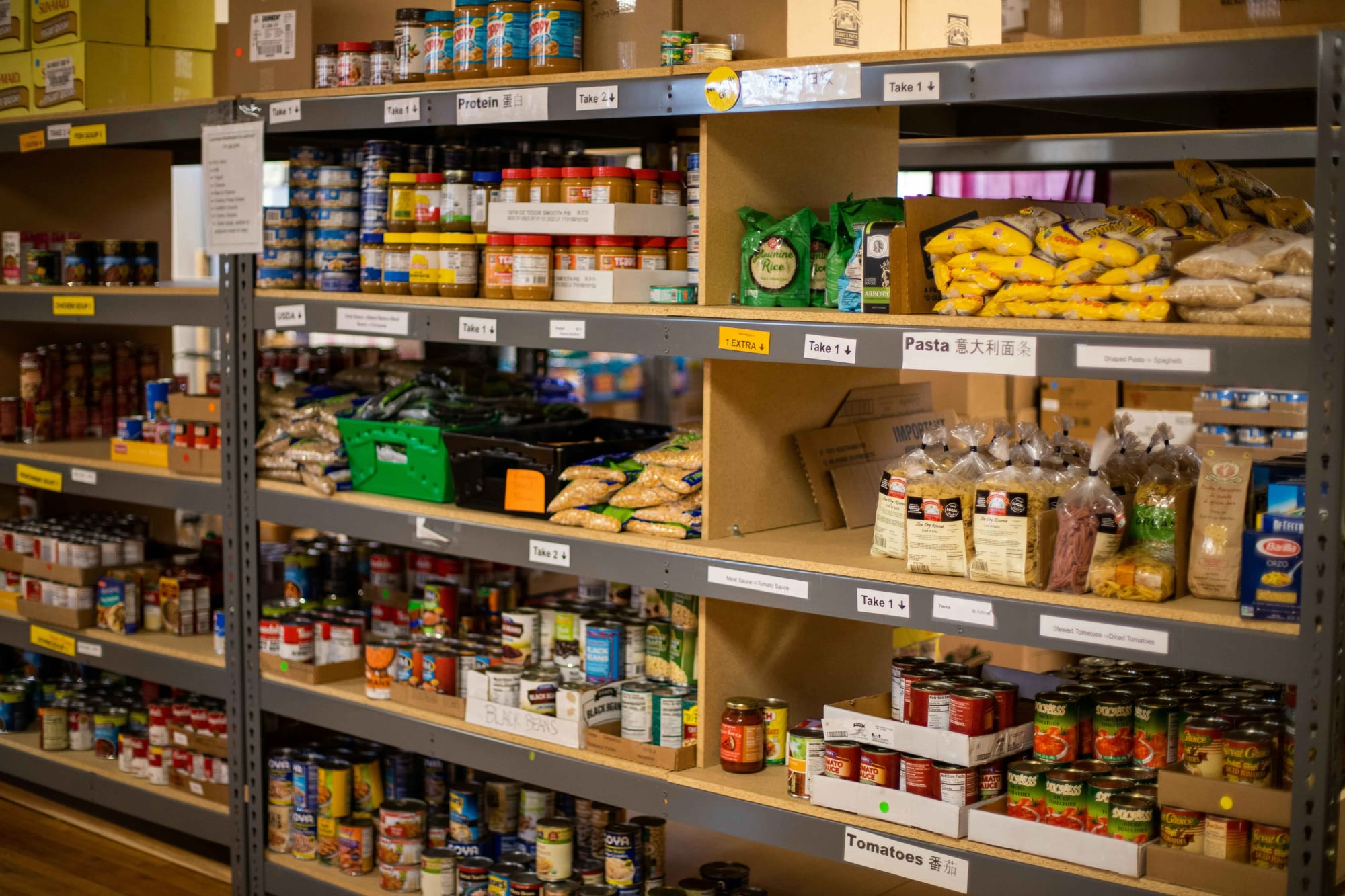
An inventory system is responsible for tracking stock.
It knows:
- How much chicken is in the freezer.
- Which ingredients expire next week.
- What suppliers delivered today.
- Which products need reordering.
- The cost of every ingredient.
- Current stock levels.
Without inventory management, restaurants quickly lose control of purchasing and food costs.
It's essential.
But inventory doesn't know what tomorrow looks like.
Kitchen Intelligence answers a different question:
"What should I do with what I have?"
Knowing that you have 40 kilograms of chicken doesn't tell you whether you should prepare 80 portions or 120.
It doesn't know:
- Tomorrow's expected demand.
- Whether rain will reduce walk-in traffic.
- Whether a football match will increase dinner orders.
- Whether last Friday stocked out.
- Whether the chef increased prep every weekend for the last month.
- Whether tomorrow's promotion will shift demand.
Inventory knows what's available.
Kitchen intelligence decides how best to use it.
A simple example
Imagine your inventory system reports:
- 45 kg Chicken
- 18 kg Rice
- 12 kg Fries
- 60 Pizza Bases
That's useful.
But now imagine tomorrow is:
- Friday.
- Payday weekend.
- Sunny weather.
- A football match nearby.
- A hotel conference across the road.
Should you prepare the same quantities as yesterday?
Probably not.
The inventory system has done its job.
Now another system has to decide how those ingredients should become meals.
That's where kitchen intelligence begins.
The difference isn't data
Many people assume kitchen intelligence simply means "more reports."
It doesn't.
The difference isn't how much data you have.
It's what the system does with it.
Inventory systems record facts.
Kitchen intelligence makes recommendations.
Instead of saying:
Chicken Stock: 45 kg
It says:
Prepare 42 portions of Grilled Chicken
And more importantly...
It explains why.
- Friday dinner service
- Sunny weather
- Football match
- Strong historical demand
- High forecast confidence
Managers don't need another dashboard.
They need decisions they can trust.
Inventory looks inward
Inventory systems focus almost entirely on what's happening inside the restaurant.
They monitor:
- Purchases
- Deliveries
- Stock movements
- Supplier costs
- Consumption
- Current inventory
Kitchen intelligence also looks outside.
It considers:
- Weather forecasts
- Public holidays
- Sporting events
- Concerts
- School schedules
- Promotions
- Seasonal trends
- Historical demand
- Chef adjustments
- Stockouts
- Waste patterns
Those external factors often influence customer demand more than anything happening inside the kitchen.
They work together
One doesn't replace the other.
In fact, they're strongest together.
Inventory answers:
Can we make it?
Kitchen intelligence answers:
Should we make it?
That's a very important distinction.
Preparing 150 portions because you have enough ingredients isn't automatically the right decision.
Preparing 90 portions because tomorrow's demand supports it often is.
Kitchen intelligence keeps learning
Inventory systems are excellent at recording what happened.
Kitchen intelligence asks something different.
What should we do better tomorrow?
Every day teaches something.
Perhaps demand was lower because of heavy rain.
Perhaps the chef increased prep before a football match.
Perhaps stockouts capped sales.
Perhaps waste increased because of overproduction.
Those aren't simply operational records.
They're lessons.
Over time, the forecasting system begins recognizing patterns unique to your restaurant.
Not restaurants in general.
Yours.
Your customers.
Your menu.
Your branch.
Your city.
That's where forecasting becomes genuinely useful.
The modern restaurant stack
Think of restaurant technology as three complementary layers.
| Layer | Primary Question |
|---|---|
| POS | What sold? |
| Inventory | What do we have? |
| Kitchen Intelligence | What should we do next? |
Each layer builds on the one before it.
The POS records transactions.
Inventory tracks ingredients.
Kitchen intelligence turns both into operational decisions.
Why this matters
Restaurants don't become more profitable simply because they collect more data.
They become more profitable when that data helps people make better decisions.
Knowing what's in the fridge is important.
Knowing what to prepare tomorrow is transformational.
Because reducing food waste, avoiding stockouts, improving purchasing, and planning labour all begin with the same question:
What should we do next?
That's the question inventory was never designed to answer.
And it's exactly the question kitchen intelligence exists to solve.
See what your kitchen could stop guessing about
PrepIQ turns your sales history into a daily prep plan, watches service as it runs, and learns from every shift.